


Does Eating a Banana Before Bed Help You Sleep?
Written by: Andrea Gombos
Andrea has been writing about self-improvement and personal development for 15 years. Since her partner was diagnosed with insomnia 8 years ago, she has made it her mission to learn everything there is to know about sleep and how to improve it.
Edited by: Gabbie Talan
Gabrielle, a former insomniac turned sleep writer and editor, brings over a decade of content expertise to her work. For the past 3 years, she's focused exclusively on sleep topics – a happy choice that helps give her the deep and restful sleep she craves.
Do you often feel a bit peckish before going to bed? Or are you having trouble sleeping and are wondering how altering your diet might help?
You must have already noticed that eating certain foods later in the day makes for an unpleasant night. On the other hand, sometimes you sleep really well after having a specific fruit or vegetable.
Today, we’ll be looking at the banana and how (and why) it can provide quality sleep. Read on!
Key Takeaways
-
Bananas are high in magnesium, tryptophan, vitamin B6 and potassium. The combination of these nutrients supports the production of melatonin, the sleep hormone.
-
Having one medium banana an hour before bed will provide all its sleep-inducing benefits, while also giving your body enough time to digest it.
-
Bananas are, however, not a cure for insomnia or other sleep disorders.
Table of Contents
Can Eating a Banana Before Bed Help You Sleep?
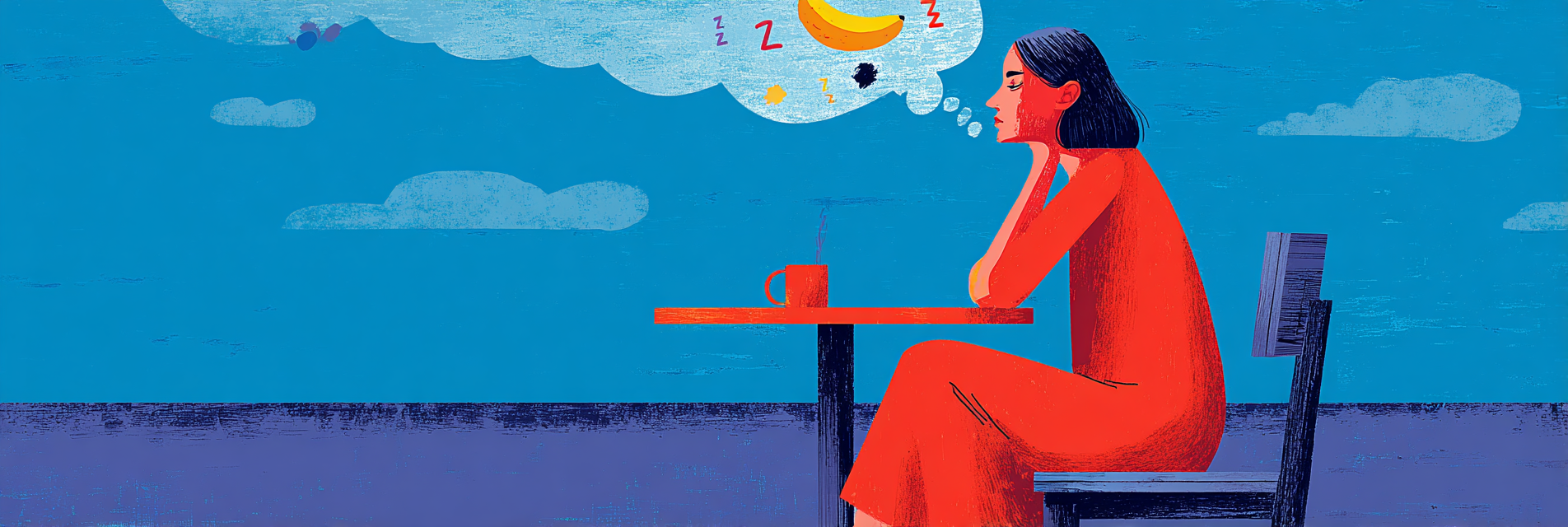
Eating bananas before bed can help you sleep, as they are rich in magnesium, tryptophan and vitamin B6, all of which are known for their sleep-promoting qualities.
However, note that bananas alone won’t be able to help you with more serious sleep issues, like insomnia. Consider them a mild sleep aid and a healthy bedtime snack. If you regularly struggle to fall asleep or keep waking up during the night, work on improving your sleep hygiene, and don't try to patch the problem with a banana, so to speak.
Let’s examine why bananas are able to provide more restful sleep.
Bananas Are High in Magnesium
Magnesium promotes sleep in several ways. It helps your body maintain a normal circadian rhythm, also known as the sleep-wake cycle, making it easier to wake up and fall asleep. It also increases the production of melatonin, the sleep hormone, and lowers the levels of cortisol, the stress hormone. This improved hormonal balance makes it easier for your body to drift off at night and wake itself up in the morning.
The stress-reducing effects of magnesium will also make you feel more relaxed before bed, and you may fall asleep faster. Note that the effect is mild and natural, so don’t expect to feel completely soothed, just less wired and jumpy.
A medium-sized banana contains around 32 milligrams of magnesium, which is roughly 8% of the recommended daily value, according to the NIH.
Other foods rich in magnesium include avocado, dark chocolate and spinach. You can also try taking a magnesium supplement if you aren’t getting enough of it through your diet or are having trouble sleeping.
Bananas Contain Tryptophan
Bananas are also high in tryptophan, an essential amino acid that our bodies can’t produce on their own, so we need to ingest it through our diet.
According to a systematic review published in Nutrition Reviews, tryptophan can improve sleep quality.(1) Once tryptophan enters the brain, it is converted into serotonin. Serotonin is known as the feel-good hormone, and it acts as a precursor to melatonin production.
Without enough tryptophan, our bodies may be unable to produce enough melatonin, which can negatively impact our sleep.
Bananas are one of the best sources of tryptophan because they also contain carbohydrates, which make it easier for the amino acid to get to the brain and perform its vital role.
A study published in Acta Horticulturae has found that yellow bananas contain the most tryptophan.(2) Overripe bananas contain the most melatonin, so munching on one might be extra beneficial and provide better sleep.
Bananas Also Contain Vitamin B6
In order for tryptophan to be converted into serotonin and finally into melatonin, you also need to consume vitamin B6.
Luckily, bananas are a great source of it too. The medium-sized banana we keep referencing is enough to provide a quarter of your daily vitamin B6 needs, according to the NIH.
In other words, bananas contain the perfect combination of magnesium, tryptophan and vitamin B6 to trigger the production of melatonin in your brain.
Bananas Are High in Potassium
Potassium is an electrolyte that can help reduce nighttime muscle cramps, which helps you sleep more soundly. People who suffer from high blood pressure may also have trouble sleeping when their potassium levels are low, according to a study published in The Journal of Hypertension Research.(3)
A medium-sized banana contains around 420 milligrams of potassium, which is around 9% of the recommended daily value, according to the NIH.
Other foods rich in potassium include potatoes, mushrooms and peas.
Other Benefits of Eating Bananas Before Bed
Bananas are also rich in resistant starch, which our bodies can't digest. Instead, our gut bacteria ferment it and turn it into short-chain fatty acids like butyrate. Butyrate reduces inflammation and improves intestinal function, according to a study published in Immune Network.(4)
This means that eating a banana before bed can improve your digestion and ensure no stomach trouble wakes you up in the night.
Bananas contain a lot of pectin as well, a type of soluble fiber. Pectin increases the feeling of fullness, so you will not be woken up by hunger pangs and can sleep more soundly.
Bananas shouldn’t trigger your acid reflux either, so they are safe to consume in the evenings if you suffer from this unpleasant condition.
If you'd like a more filling snack before bed, try pairing a banana with some other good foods to eat before bed. Consider pairing bananas with a source of protein. This will help stabilize blood sugar, preventing waking up many times at night due to blood sugar fluctuations. Almonds and Greek yogurt can be an excellent choice.
What’s the Best Time to Eat a Banana Before Bed?
The best time to eat a banana in the evening is an hour or so before you hit the sack. This will give your digestive system enough time to extract all the valuable nutrients that induce a good night’s sleep.
It will also significantly reduce the likelihood of discomfort and pain while trying to fall asleep. As digestion slows down while we sleep, eating too close to bedtime could cause all kinds of unpleasant symptoms, like bloating or gassiness. Even though bananas are a light snack, you still want to give your body enough time to process them properly.
How Many Bananas Should You Eat Before Bed?
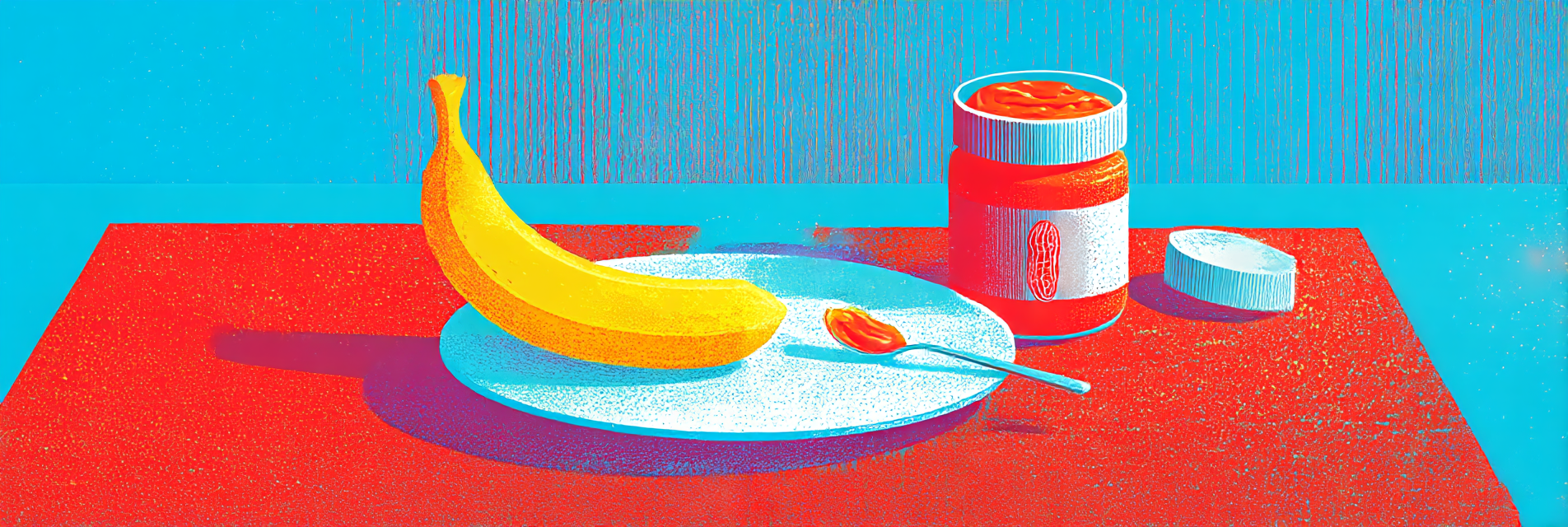
Eating one medium-sized banana before going to bed is enough to reap all of its sleep-inducing benefits.
If you’re feeling hungrier, try eating two bananas or pairing them with some peanut butter. Note that eating too many bananas may have an adverse effect, as the high fiber content may make you feel uncomfortable as you’re trying to fall asleep.
Other Foods That Can Help You Sleep
Apart from bananas, there are many foods (and drinks) that can help you get a good night's rest. Try incorporating these into your bedtime routine as healthy nighttime snacks:
-
Drinking tart cherry juice before bed can help you sleep longer and improve your sleep quality overall. It's rich in melatonin, also known as the sleep hormone. Melatonin helps you wind down for bed and regulates your sleep cycle.
-
Sipping on a glass of warm milk can help promote sleep because it contains calcium, which helps your brain use tryptophan to make melatonin.
-
Nuts like almonds can help promote sleep because of their magnesium content. Magnesium aids with muscle relaxation and lowers cortisol (the stress hormone).
-
This may come as a surprise, but eating mango before bed can help improve sleep. It's rich in Vitamin B6, which helps your body make melatonin and serotonin. These, in turn, help you sleep.
-
Greek yogurt is particularly known for its tryptophan content. This amino acid helps your body make serotonin and melatonin, which promote relaxation and sleep.
-
Avocado toast is another nighttime snack option. It contains magnesium, potassium and other nutrients that help with relaxation and sleep. This snack contains healthy fats and fiber that keep you full. You won't wake up at night because of your grumbling stomach.
Foods Not to Eat Before Bed
Just as there are foods to eat before bed that help with sleep, there are those you should avoid as well. Let's explore a few and why they can interfere with your sleep quality:
-
Drinks that are high in caffeine, such as coffee and soda, are stimulants that prevent you from drifting off. Caffeine's noticeable effects can take 6-8 hours to fade.
-
Alcohol is another drink to avoid. While it may help you fall asleep, it can lead to multiple nighttime awakenings, which reduce time spent in restful sleep.
-
Avoid large meals of high-protein foods before bed. It can make your digestive system work harder, which can cause sleep interruptions.
-
Don't eat spicy or fatty foods too close to bedtime. These can cause indigestion and heartburn, which can make falling and staying asleep difficult.
-
Curb your sweet tooth before bedtime because sugary foods can make your blood sugar levels rise fast, followed by a sudden drop. Blood sugar fluctuations can wake you up many times at night.
How Best to Improve Your Sleep
Improving sleep quality isn't just about eating (or avoiding) certain foods before bed. Make it a point to practice good sleep hygiene for better rest. Here are a couple of tips:
-
Maintain a consistent sleep schedule. Wake up and go to bed at the same time every day, including weekends.
-
Make sure your bedroom is cool, dark and quiet.
-
Unwind before bed with a relaxing bedtime routine. Take a warm bath, read a book or do yoga or breathing exercises.
-
Put your gadgets away at least 1 to 2 hours before bed. The blue light from screens can trick your brain and body into thinking it's time to be awake, making it hard to fall asleep.
Conclusion
Eating bananas is very good for you. They are full of nutrients that, among other things, improve sleep health.
If you’re looking for a healthy snack, munch on a banana an hour or 2 before bed. You’ll sleep more comfortably knowing you have done something good for your body.
Frequently Asked Questions About Eating a Banana Before Bed
Is Eating a Banana Too Late Bad for Sleep?
Yes, eating bananas too close to bedtime could cause discomfort and prevent you from falling asleep. As bananas are high in fiber, eating too many of them or consuming them right before you lie down can make you feel heavy, bloated and otherwise uncomfortable.
Can Bananas Cause Nightmares?
There is no direct link between eating bananas and nightmares. However, they do contain tyramine, which can cause more vivid dreams.
If you notice you’re having bad dreams after eating bananas in the evening, swap them out for another healthy, sleep-boosting snack.
Can I Eat a Banana Every Night?
There is no reason you shouldn’t be able to eat a banana every night, as long as you feel good afterwards.
If eating bananas in the evening doesn’t cause any digestive discomfort, feel free to munch on them to help you sleep!
Are Bananas Too Sugary to Eat at Night?
For most people, bananas aren't too sugary to eat at night. While they contain natural sugars, they're also packed with fiber, which slows your body's digestion and absorption of sugar.
Will Eating a Banana at Night Make Me Gain Weight?
The short answer is no. Weight gain happens when your body consumes more calories than it can burn. It doesn't matter what time of day it is. A medium-sized banana contains between 100 and 105 calories, making it a smart option for a midnight snack if you're watching your weight.
Should I Pair Bananas With Something (Like Peanut Butter) When I Eat Them Before Bed?
Pairing bananas with something rich in protein, like peanut butter, almonds or Greek yogurt, is a great idea. For some people, eating a banana alone might cause a sugar spike. For instance, if you have diabetes or prediabetes. Protein slows down your body's sugar digestion and absorption, so you won't have sugar crashes that wake you up in the middle of the night.
Do Bananas Cause Heartburn at Night?
For most people, no, they don't cause heartburn. Bananas are alkaline-forming foods, which means they can help neutralize stomach acid. They're also rich in fiber, which helps you digest better, so your stomach contents don't flow back to your esophagus.
Sources:
(1) “The impact of tryptophan supplementation on sleep quality: a systematic review, meta-analysis, and meta-regression.” Nutrition Reviews, pubmed.ncbi.nlm.nih.gov/33942088. Accessed 25 September 2025.
(2) “The potential of banana as a natural dietary source of tryptophan and melatonin.” Acta Horticulturae, ishs.org/ishs-article/1407_9. Accessed 25 September 2025.
(3) “Decreased serum potassium may disturb sleep homeostasis in essential hypertensives.” The Journal of Hypertension Research, pmc.ncbi.nlm.nih.gov/articles/PMC8075976. Accessed 25 September 2025.
(4) “The Role of Butyrate in Attenuating Pathobiont-Induced Hyperinflammation.” Immune Network, pmc.ncbi.nlm.nih.gov/articles/PMC7192831. Accessed 25 September 2025.
Disclaimer: The information contained in this website or provided through our blog, e-mails, or programs is for informational purposes only. It is not intended to be a substitute for medical advice, diagnosis or treatment that can be provided by your healthcare professionals.