


Can You Die From Insomnia?
Written by: Andrea Gombos
Andrea has been writing about self-improvement and personal development for 15 years. Since her partner was diagnosed with insomnia 8 years ago, she has made it her mission to learn everything there is to know about sleep and how to improve it.
Medically reviewed by: Dr. Angela Holliday-Bell
Dr. Holiday-Bell is a board-certified physician and certified clinical sleep specialist who helps people improve health, performance, and well-being through better sleep.
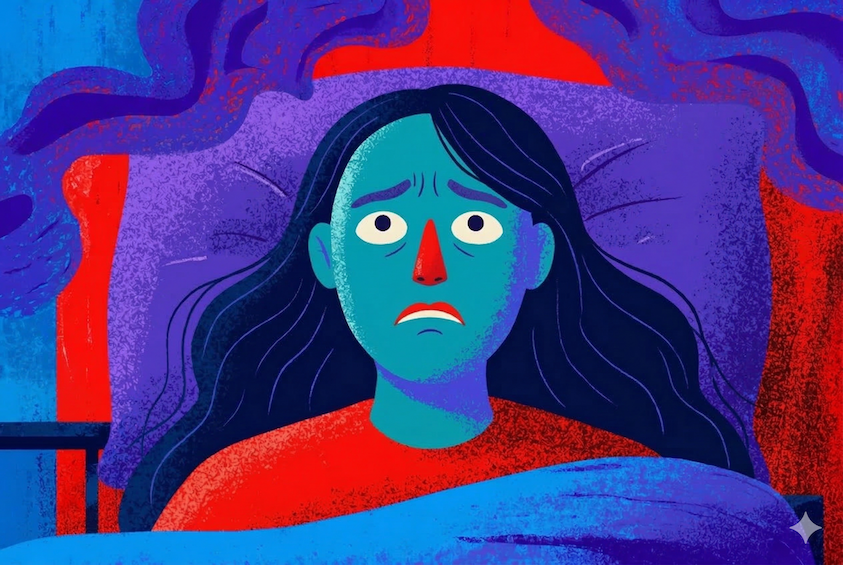
Insomnia is one of the most common sleep disorders. It is estimated that 16.2% of adults suffer from insomnia worldwide.(1) If you are one of them, and are currently going through an episode of sleeplessness, it’s only natural to wonder: Will insomnia kill me?
In this article, we will explore how fatal insomnia is and what its potential and likely consequences are. We’ll also provide some tips on managing and living with the condition.
Key Takeaways
-
While insomnia itself can't kill you, it can significantly increase your risk of suffering from an accident or developing a potentially life-threatening condition, like heart disease or obesity.
-
A lack of adequate sleep impacts how your body functions. Your immune system will be compromised, your cognitive functions will be impaired, and your mood will suffer.
-
While occasional insomnia is nothing to worry about, if you notice it is becoming chronic, improve your lifestyle, adopt relaxation techniques or speak to your healthcare provider about the best course of treatment.
Table of Contents
What Is Insomnia?
Insomnia is the inability to fall or stay asleep, or get a good night’s rest. Other insomnia symptoms include tossing and turning for hours before finally drifting off, waking up frequently during the night and being unable to fall back asleep. It is one of the most common sleep disorders.
Occasional insomnia is nothing to worry about. Everyone has trouble sleeping sometimes. If you suffer from chronic insomnia, meaning you can’t sleep for three or more nights per week for more than three months, you are more likely to experience some of its unwelcome consequences.
Can Insomnia Kill You?
Insomnia itself can technically not kill you. Your body will at some point put you to sleep. It will, however, increase your risk of workplace and road accidents, which can be fatal. Chronic insomnia can also increase your risk of developing a serious condition that can ultimately prove fatal. So while insomnia may not be the direct cause of death, chronic and prolonged sleep deprivation can reduce your life expectancy and quality of life.
We don’t actually know how long humans can survive without sleep in extreme conditions. However, you can go without sleep for longer than you think, with the current world record being 18 days and 21 hours.
Will Your Body Force You To Sleep?
Yes, your body is highly likely to, at some point, force you to sleep. You may drift in and out of sleep, have bad dreams and keep waking up. You may only sleep for 10 or 15 minutes before you wake up again.
Fatal Familial Insomnia
The one notable exception we need to mention when talking about mortality and insomnia is a rare genetic condition called fatal familial insomnia (FFI).
The disease is caused by a mutation in the PRNP gene and is passed from parent to child. Very rarely, it can be caused by a new mutation rather than an inherited one.
Its symptoms include progressive insomnia, memory loss, hallucinations, high blood pressure, increased heart rate, anxiety and involuntary muscle twitching.
The cause of death from fatal insomnia is damage to the brain and nervous system, caused by prion proteins accumulating in the thalamus.
Chronic or occasional insomnia can’t develop into fatal insomnia. Unless you have inherited the gene mutation and have a history of the disease in your family, you can’t get it from lack of sleep.
The Potentially Fatal Consequences of Lack of Sleep
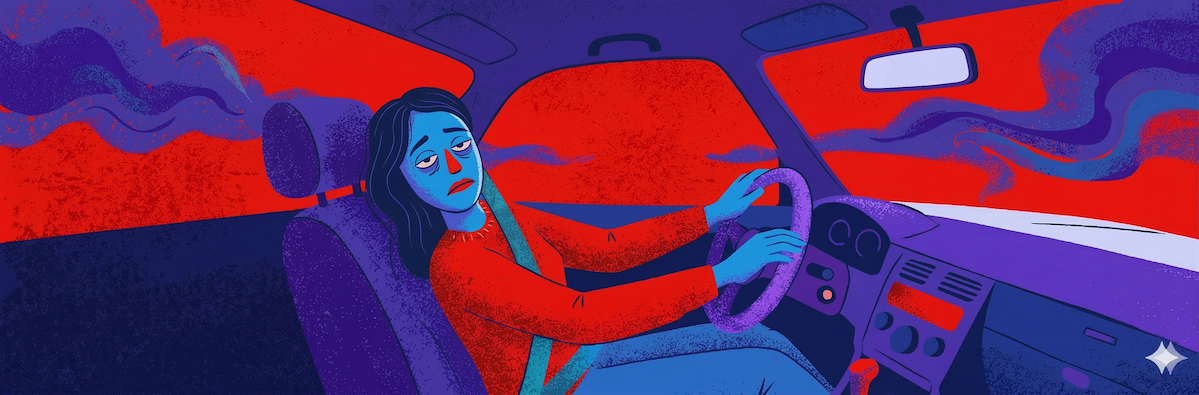
The most direct way insomnia can kill you is by robbing you of focus and slowing your response times.
Not getting enough sleep directly impacts cognitive functions in the brain.(2) This means that your attention, alertness, judgment and decision-making will all be compromised. This can lead to all manner of accidents, most notably, road accidents.
The AAA Foundation for Traffic Safety estimates that 16.5% of fatal crashes in the US between 1999 and 2008 were caused by drowsy driving.(3) In fact, driving after being awake for 24 hours lowers your reaction times and lateral vehicle control more than drinking alcohol does.(4)
Similarly, highly fatigued workers are 70% more likely to be involved in a workplace accident.(5)
If these statistics weren’t enough to convince you of the damage insomnia can do, let’s add some more.
Getting insufficient sleep increases the risk of developing or dying from a cardiovascular disease by 45%.(6) When you are sleep deprived, the levels of the stress hormone cortisol in your bloodstream stay elevated. This damages the health of your heart and blood vessels.
When we sleep, our blood pressure is naturally lowered, giving our cardiovascular system time to recover. Insomnia robs your body of this opportunity. Over time, the consequences can be fatal.
Sleep also plays a crucial role in regulating your metabolism. Chronic insomnia disrupts these processes, which increases your risk of type 2 diabetes.
The (Somewhat) Less Dangerous Consequences of Insomnia
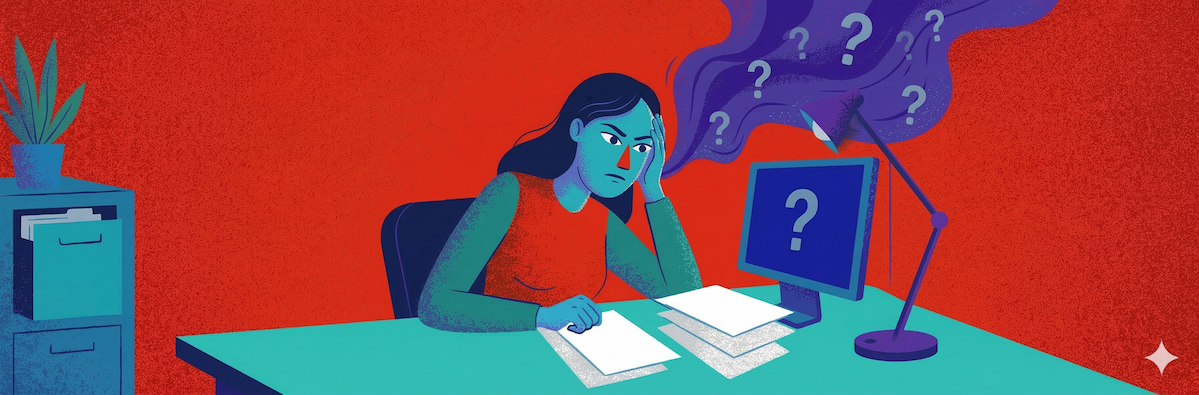
Chronic sleep deprivation, unfortunately, also impacts a number of other functions in your mind and body. While they can be considered potentially less fatal than the ones we’ve just listed, they are nonetheless quite enough to be getting on with.
-
It compromises your immune system, making you more susceptible to infections. It can also potentially affect your ability to fight serious diseases.
-
The effect it has on your cognitive processes will impair your ability to focus, memorize and get your daily tasks done.
-
It disrupts the production of the hormones leptin and ghrelin, which control feelings of fullness and hunger. This can result in overeating or undereating, eating too much processed and sugary food, which can lead to becoming overweight or even obese.
-
Your reduced energy levels will likely prevent you from working out consistently, which will negatively affect your overall health, most notably that of your heart and musculoskeletal system.
-
It can increase your risk of developing mental health issues like anxiety and depression.
-
It can impair your ability to retain information and remember events.
-
It can negatively affect your mood, which can damage your relationships with coworkers, friends and family.
How Can Insomnia Be Cured and Prevented?
The first treatment option you should consider for chronic insomnia is cognitive behavioral therapy (CBT-I). It will teach you how to implement better sleep hygiene practices, how to manage sleep-related anxiety and relax before bed.
If therapy doesn’t work, your doctor may prescribe medications like benzodiazepines, melatonin agonists or other drugs. Note that you should never self-medicate and always seek professional help when deciding on the best medication to treat your insomnia.
You can also try implementing some positive lifestyle choices to help you combat insomnia, especially if it’s occasional:
-
Go to bed and wake up at the same time every day, even on the weekend.
-
Avoid stimulants before bed, including caffeine, alcohol and blue light.
-
Eat a balanced diet and avoid eating heavy, spicy or sugary meals before bed.
-
Invest in a sleep mask, earplugs or a white noise machine to help block out any disruptive sounds or light.
-
Move your body every day, even if it’s just a walk around the block or dancing to your favorite oldies.
-
Keep a sleep diary and monitor what practices and habits help you sleep better, and what tends to disrupt your sleep.
Conclusion
While insomnia itself can’t kill you, it can certainly worsen your health. The more sleep you lose, the likelier you are to develop a disease that will lower your quality of life and that can become fatal over time.
Frequently Asked Questions About the Fatality of Insomnia
How Long Can a Human Survive Without Sleep?
Depending on the circumstances, we can estimate that humans can survive without sleep for anywhere between a week and three weeks, potentially even longer.
There is no systematic scientific research on the subject, given the dangerous nature of the experiment. Guinness World Record breakers have, however, gone without sleep for as much as 18 days. Other research subjects have managed 8 to 10 days in carefully controlled environments.
What Is the Longest Time Someone Stayed Awake?
The longest time someone stayed awake, on record, is 18 days and 21 hours (453 hours and 40 minutes). The record was set by Robert McDonald in 1986.
Can Normal Insomnia Turn Into Fatal Familial Insomnia?
No, normal insomnia can’t turn into fatal familial insomnia. The condition is caused by a genetic mutation and is inherited from a parent. Only in extremely rare cases can the mutation occur on its own. However, occasional or chronic insomnia isn’t considered the cause of the mutation, even in these rare cases.
Can Insomnia Shorten Your Lifespan?
Yes, chronic insomnia can shorten your lifespan by causing conditions like cardiovascular disease and obesity, damaging your immune system and reducing your focus and awareness, which can lead to a fatal accident.
Sources:
(1) "Estimation of the global prevalence and burden of insomnia: a systematic literature review-based analysis.” Sleep Medicine Reviews, pubmed.ncbi.nlm.nih.gov/40627924. Accessed 20 February 2026.
(2) “The consequences of sleep deprivation on cognitive performance.” Neurosciences, pmc.ncbi.nlm.nih.gov/articles/PMC10155483. Accessed 20 February 2026.
(3) “Prevalence of motor vehicle crashes involving drowsy drivers, United States, 1999-2008.” Accident Analysis & Prevention, pubmed.ncbi.nlm.nih.gov/22269499. Accessed 20 February 2026.
(4) “The impact of sleep deprivation and alcohol on driving: a comparative study.” BMC Public Health, pmc.ncbi.nlm.nih.gov/articles/PMC7310070. Accessed 20 February 2026.
(5) “Sleep Disorders and Sleep Deprivation: An Unmet Public Health Problem.” National Academies Press, ncbi.nlm.nih.gov/books/NBK19958. Accessed 20 February 2026.
(6) “Insomnia and risk of cardiovascular disease: a meta-analysis.” European Journal of Preventive Cardiology, pubmed.ncbi.nlm.nih.gov/22942213. Accessed 20 February 2026.
Disclaimer: The information contained in this website or provided through our blog, e-mails, or programs is for informational purposes only. It is not intended to be a substitute for medical advice, diagnosis or treatment that can be provided by your healthcare professionals.