


Sleep Apnea vs. Insomnia: What Is the Difference?
Written by: Gabrielle Talan
Gabrielle, a former insomniac turned sleep writer, brings over a decade of content expertise to her work. For the past 3 years, she's focused exclusively on sleep topics – a happy choice that helps give her the deep and restful sleep she craves.
Medically Reviewed by: Leah Kaylor, PhD, MSCP
Dr. Kaylor is a licensed clinical and prescribing psychologist and internationally recognized as the FBI's sleep expert. Her bestselling book, "If Sleep Were a Drug: The Science of Sleep Optimization," translates cutting-edge sleep science into practical strategies anyone can use.
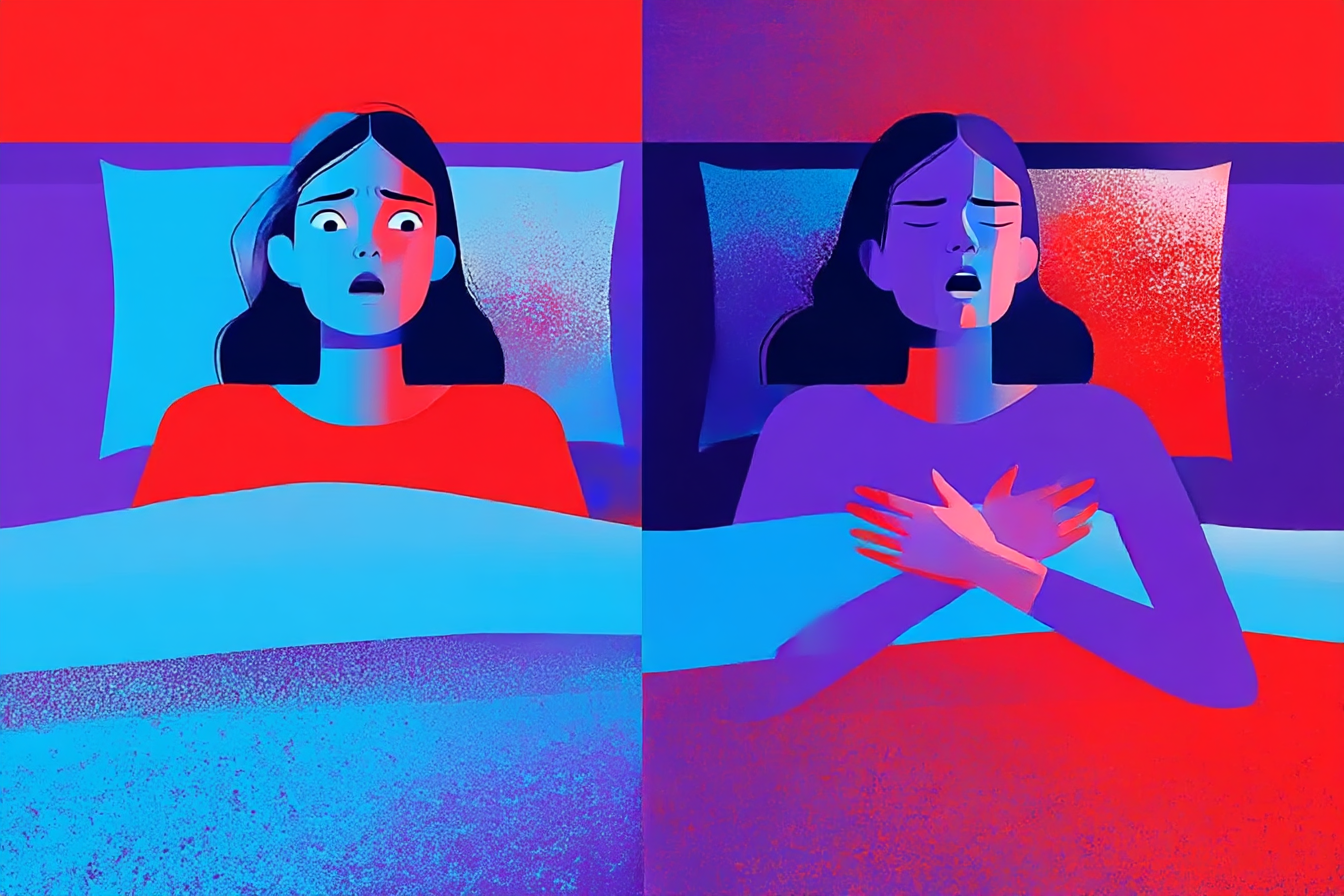
Have you been struggling to drift off (despite counting an overwhelming number of sheep) and stay asleep? Has your partner shared the disturbing news that you've been snoring loudly and gasping for air in your sleep? You may have sleep apnea or insomnia, both of which are common sleep disorders.
Understanding sleep apnea and insomnia is key to effective treatment. This blog post aims to define these sleep disorders, highlight their differences and similarities, explore the link between them, and outline ways to manage and treat insomnia and sleep apnea to help you regain restful sleep.
Key Takeaways
-
Sleep apnea and insomnia are different sleep disorders, but they can often overlap. Left untreated, these disorders can impact your sleep quality, daily life and overall health.
-
Both disorders have similar symptoms, including daytime fatigue, cognitive difficulties and disrupted sleep.
-
Insomnia and sleep apnea require proper diagnosis and tailored treatments (e.g., Continuous Positive Airway Pressure [CPAP] therapy, lifestyle changes, or CBT-I), and everyone can benefit from improved sleep hygiene.
Table of Contents
What Is Sleep Apnea?
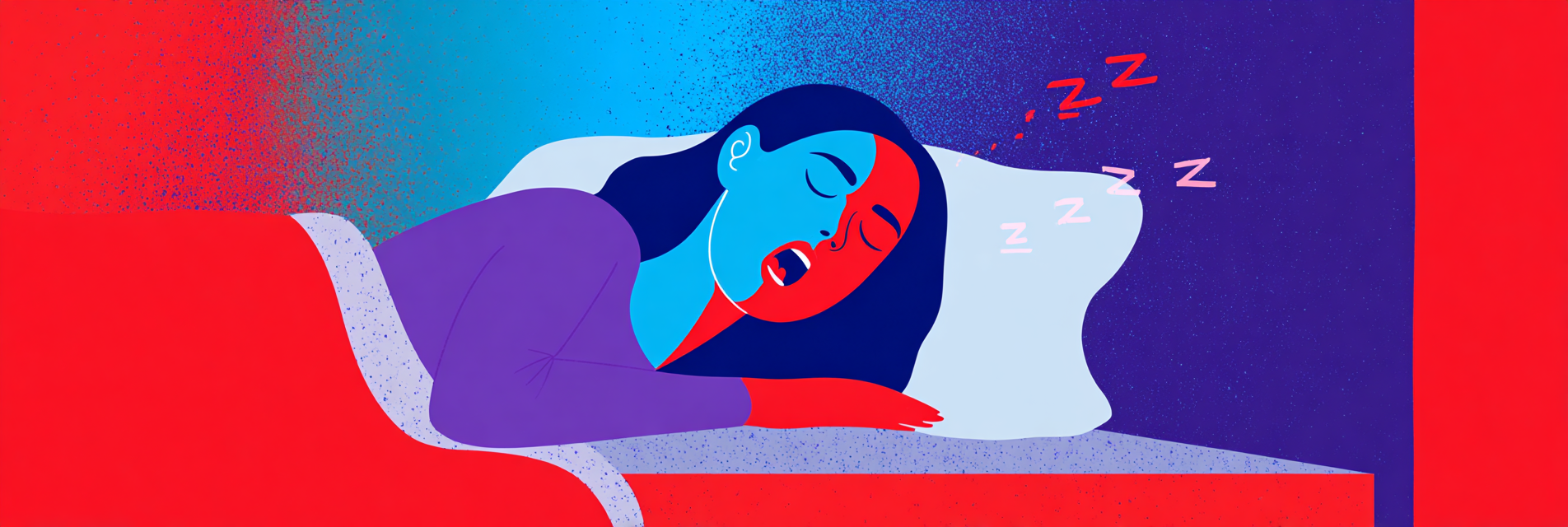
Sleep apnea is a sleep disorder characterized by pauses in breathing during sleep, leading to a drop in oxygen levels. These pauses are referred to as "apneas," where you stop breathing completely for at least 10 seconds, or "hypopneas," where there's a partial cessation of airflow lasting at least 10 seconds.
The symptoms of sleep apnea include loud snoring, choking, or gasping for air during sleep.
There are three types of sleep apnea:
-
Obstructive sleep apnea syndrome (OSA) is a common form of sleep apnea characterized by the collapse of soft tissues in the throat, obstructing the airways and causing pauses in breathing.
-
Central sleep apnea occurs when breathing is paused because the brain fails to correctly signal the muscles that control breathing.
-
Complex Sleep Apnea Syndrome (CompSAS), also known as treatment-emergent sleep apnea, is often temporary. It's when CPAP successfully fixes the airway blockages of OSA, but in the process, the brain temporarily stops sending regular breathing signals, causing central apneas to show up.
Here are the risk factors for Obstructive Sleep Apnea (OSA):
-
Obesity is a major, but not the only, risk factor for OSA. Fat deposits around the neck can obstruct the upper airway by weighing it down, making it much more likely to collapse during sleep, when the throat muscles naturally relax.
-
Having a wider neck circumference can also predispose you to OSA, because it reflects greater soft-tissue mass around the airway, which compresses and narrows the breathing passage during sleep.
-
Sleep apnea is more common in older adults because ageing naturally reduces muscle tone in the upper airway, making it easier for the throat to collapse during sleep.
-
OSA occurs more often in men than women, but this changes after menopause.
-
Genetics can also play a role; if you have a family history of sleep apnea, your risk is higher.
-
Drinking alcohol, taking sedatives or muscle relaxers can also increase your risk of sleep apnea because they relax the muscles in your throat.
-
Smokers are also more likely to develop OSA than non-smokers due to chronic inflammation of the airway.
-
If you can't breathe through your nose due to congestion from allergies or an anatomical problem, you're also more likely to develop sleep apnea.
-
Medical conditions, such as type 2 diabetes and high blood pressure, are also risk factors.
*OSA is common, affecting 10% to 30% of adults, whereas central sleep apnea is rare (under 1%). Because OSA is the primary focus of this article, the term "sleep apnea" will refer to OSA moving forward, unless otherwise stated.
What Is Insomnia?

Insomnia is a sleep disorder marked by difficulty falling asleep, staying asleep, or waking up earlier than intended and being unable to fall back asleep. We aren't talking about occasional poor sleep. Insomnia can last for days or even months, depending on the type.
There are two types of insomnia:
-
Acute insomnia is short-term and is defined as trouble sleeping lasting for a few days up to less than 3 months. It's usually caused by stress, a traumatic event, disrupted sleep due to jet lag or shift work, environmental changes and poor sleep hygiene.
-
Chronic insomnia, on the other hand, occurs at least three times per week for three months or more and is typically tied to ongoing factors such as medical or mental health conditions, medications, or long-standing sleep-disrupting patterns. This is the point at which insomnia becomes diagnosable as a clinical disorder. Chronic insomnia often continues because the brain has learned to stay on “high alert” at night, fueled by stress, racing thoughts, unhelpful beliefs about sleep, and poor habits that make sleep harder instead of easier.
What Symptoms Do Sleep Apnea and Insomnia Have in Common?
While they are distinct sleep disorders, sleep apnea and insomnia share some symptoms:
-
Both disorders result in excessive daytime sleepiness and fatigue, even when you think you've had enough sleep, because repeated awakenings and disrupted sleep architecture prevent the brain from reaching the deep, restorative stages needed for alertness, energy, and cognitive functioning
-
Both can cause cognitive difficulties, such as trouble concentrating, focusing, and memory lapses.
-
They can also cause you to be irritable, anxious and depressed. You might also experience mood swings.
-
Both cause sleep disruptions, with frequent awakenings or restless periods.
-
Both disorders prevent you from getting restorative sleep, which leaves the brain sleep-deprived. This state leads to slower reaction times and making frequent mistakes, both of which are especially dangerous when driving or operating heavy machinery.
-
You might wake up with a headache because both insomnia and OSA disrupt restorative sleep: insomnia by keeping the brain overtired and more sensitive to pain, while OSA causes oxygen dips that impact blood flow, both of which can lead to morning head pain.
-
You might dread or fear sleep, which is also known as sleep anxiety, which makes sleeping even more of a struggle.
-
Both can negatively impact your day-to-day life and sleep quality.
What Are the Key Differences Between Sleep Apnea and Insomnia?
The key differences between sleep apnea and insomnia lie in their core mechanisms, main causes, and symptoms.
Definitions
-
Obstructive Sleep Apnea (OSA) is a sleep-related breathing disorder that's characterized by recurring pauses in breathing during sleep due to a blocked or narrowed airway.
-
Insomnia's core mechanism is trouble with sleep, characterized by difficulty falling asleep or staying asleep. It's a problem of sleep maintenance and initiation.
Main Causes
-
Sleep apnea primarily happens when the airway becomes blocked by physical factors like excess soft tissue or anatomical narrowing, while some breathing disruptions (like Central Sleep Apnea) stem from the brain not sending strong enough signals to the muscles that control breathing.
-
Psychological factors, including stress, anxiety and depression, can cause insomnia. Irregular sleep schedules, poor sleep hygiene and certain medications are other contributing factors. Environmental factors such as noise and light can lead to insomnia, but don’t cause sleep apnea.
Key Symptoms
-
OSA is often characterized by loud snoring, gasping for air or choking, waking up short of breath, and waking up with a dry mouth, though many people don’t realize their breathing is stopping unless a bed partner notices it.
-
Insomnia's hallmark symptoms include lying in bed unable to sleep and being aware of it, having difficulty falling back asleep and waking up too early in the morning.
How Are Sleep Apnea and Insomnia Connected?
Sleep apnea and insomnia have a complicated connection, which experts refer to as "bidirectional," meaning the two conditions can influence each other. When one gets worse, it can trigger or intensify the other, creating a cycle that goes both ways.
A study published in Sleep Medicine Reviews found that an estimated 30% to 50% of people with OSA experienced symptoms of clinical insomnia, while 30% to 40% of people with chronic insomnia met the diagnostic criteria for OSA.(1)
OSA can give rise to sleep troubles that mirror the key symptoms of insomnia, which are difficulty falling asleep and staying asleep. Meanwhile, insomnia can worsen sleep apnea symptoms.
Some people with OSA often complain of restless sleep (common in insomnia) due to recurring breathing pauses. Meanwhile, some who have insomnia and OSA experience more frequent awakenings.
They also share risk factors, such as obesity, age and certain medical conditions.
Can Sleep Apnea Cause Insomnia and Vice Versa?
Yes, sleep apnea can cause insomnia. The immediate reason is that people with sleep apnea might experience insomnia-like symptoms due to breathing pauses that cause awakenings and make it hard to fall back asleep. These awakenings can cause sleep fragmentation, resulting in less time spent in the deeper, more restorative sleep stages, which can lead to the development of insomnia over time.
People with sleep apnea can also experience stress and anxiety due to poor sleep quality and discomfort when using a continuous positive airway pressure (CPAP) machine, leading to the development of insomnia.
While insomnia can't physically cause sleep apnea, it can worsen the disorder.
Chronic insomnia is associated with increased stress and anxiety, which can exacerbate sleep apnea symptoms. Some sedatives used to treat chronic insomnia can overly relax the throat muscles, making the airway more likely to collapse during sleep. This can trigger OSA episodes or reveal a previously undiagnosed condition.
Can You Have Sleep Apnea and Insomnia at the Same Time?
Yes, you can have sleep apnea and insomnia at the same time. It's known as Comorbid Insomnia and Sleep Apnea (COMISA), and it has a worldwide prevalence of 18% to 42%, according to a study published in Chest Journal.(2)
The combination can result in more serious challenges with sleep, daily life, and overall health than either condition alone. People with COMISA are also at higher risk for metabolic and heart diseases and mental health conditions.
COMISA is difficult to diagnose because current tests aren't perfect, according to research published in Seminars in Respiratory and Critical Care Medicine.(3) It's a complicated condition that needs personalized treatment.
How to Treat Sleep Apnea and Insomnia
There are several treatments available for sleep apnea and insomnia. The gold standard for diagnosing both disorders is known as a sleep study (polysomnogram), which simultaneously tracks breathing patterns and brain waves.
Let's explore the treatments for sleep apnea:
-
If your sleep apnea is caused by obesity, losing weight will help.
-
It’s important to avoid alcohol before bedtime and to quit smoking, since both substances relax and irritate the airway, making it more likely to collapse during sleep and worsen OSA symptoms.
-
You might need to switch to the best sleeping position for breathing problems: on your side.
-
If you have been diagnosed with OSA, you might need to use a CPAP machine, which delivers a continuous and pressurized stream of air to help keep your airways open. A CPAP is sometimes also used to treat COMISA.
-
You might need to use custom-made oral appliances to reposition your jaw or tongue, such as a mandibular advancement device (MAD) or a tongue-retaining device (TRD).
-
Surgery, typically reserved as a last resort, is another option if other treatments fail, which involves removing excess tissue or correcting structural problems.
-
Servo-ventilation is similar to a CPAP, except it monitors your breathing patterns in real time and automatically adjusts the air pressure to stabilize your breathing throughout the night.
-
Addressing underlying medical conditions that might be causing sleep apnea, such as hypothyroidism or nasal congestion, can also help.
Here are the most common insomnia treatments:
-
Cognitive behavioral therapy for insomnia (CBT-I) involves changing the behaviors and thoughts that might worsen insomnia, as well as sleep restriction and patient education on relaxation techniques.
-
Establishing good sleep hygiene habits, such as maintaining a consistent sleep schedule, using a sleep mask or earplugs to create a dark, quiet sleep environment, and avoiding caffeine and heavy meals too close to bedtime.
-
Stress management improves sleep by reducing anxiety through techniques like progressive muscle relaxation, deep breathing exercises and meditation.
-
Prescription medications, such as sedative-hypnotics and certain antidepressants, can help with short-term sleep difficulties, but they should be used cautiously and only for limited periods, since they can have side effects, may lose effectiveness over time, and may even worsen sleep problems if relied on long-term.
-
Treating underlying health problems, such as mental health disorders (like anxiety, depression or post-traumatic stress disorder), chronic pain and neurological disorders (like Parkinson's disease).
Conclusion
Understanding the differences and similarities between sleep apnea and insomnia is super important for effective management and treatment. While both disorders disrupt sleep and share symptoms, their underlying causes and treatment methods differ.
Do you have sleep apnea or insomnia? Share your experiences and management tips with other readers by commenting below.
Frequently Asked Questions About Sleep Apnea and Insomnia
How Can I Tell if I Have Sleep Apnea or Insomnia?
You can tell if you have sleep apnea or insomnia by the symptoms you are experiencing. Many people with OSA experience loud and frequent snoring. They might also choke or gasp for air while sleeping or wake up with a dry mouth and a headache.
Meanwhile, people with insomnia have trouble falling asleep and staying asleep, even when they are tired. They might wake up too early and be unable to fall back asleep.
Both sleep disorders cause excessive daytime sleepiness, fatigue and cognitive difficulties.
Is a Morning Headache More Common With Sleep Apnea or Insomnia?
A morning headache is more common in people with OSA, though people with insomnia can experience it as well. Recurring breathing pauses during sleep can cause a drop in oxygen levels, which might lead to a morning headache. It can also lead to a buildup of carbon dioxide, which causes blood vessels in the brain to dilate, making your head throb.
Is Insomnia Genetic? Is Sleep Apnea Genetic?
Yes, insomnia and sleep apnea can have a genetic component.
Insomnia can be genetic, as the way the brain responds to sleep and regulates stress can run in families. However, while this can predispose you to the condition, it's usually life stressors that lead to the development of insomnia.
OSA also has a genetic component, in which fat distribution, airway shape and size, and muscle tone might predispose you to the disorder.
If I Have Both, Which Do I Treat First, Sleep Apnea or Insomnia?
If you have both, OSA is traditionally the first to be treated. That's because it can pose immediate health risks due to the drop in oxygen levels caused by breathing pauses. Also, the use of a CPAP machine to treat obstructive sleep apnea might improve your overall sleep quality, reducing insomnia symptoms.
However, modern medicine is changing the way comorbid insomnia and sleep apnea are treated. Some doctors might require either treating insomnia first with CBT-I or alongside sleep apnea treatment. Treating insomnia first might help with CPAP machine use, which can initially be challenging and uncomfortable.
Will Using a CPAP Fix My Insomnia if Apnea Is Its Cause?
If your insomnia is caused by OSA, using a CPAP machine can help ease insomnia symptoms in most cases. The machine works by keeping your airway open and reducing breathing pauses, which fragment sleep. Reducing sleep fragmentation makes it easier to fall asleep and stay asleep.
You have nothing to lose by using CBT-I alongside CPAP, since the combination often leads to better, more stable sleep than either treatment alone.
Sources:
(1) "Bi-directional relationships between co-morbid insomnia and sleep apnea (COMISA).” Sleep Medicine Reviews, www.sciencedirect.com/science/article/abs/pii/S1087079221001040. Accessed 06 February 2026.
(2) “Sleep Apnea and Insomnia” Chest Journal, pmc.ncbi.nlm.nih.gov/articles/PMC8129729/. Accessed 06 February 2026.
(3) “Comorbid Insomnia and Sleep Apnea: From Research to Clinical Practice.” Seminars in Respiratory and Critical Care Medicine, pubmed.ncbi.nlm.nih.gov/40258387/. Accessed 06 February 2026.
Disclaimer: The information contained in this website or provided through our blog, e-mails, or programs is for informational purposes only. It is not intended to be a substitute for medical advice, diagnosis or treatment that can be provided by your healthcare professionals.