


Why Does Coffee Make Me Sleepy? The Science Behind Coffee-Induced Tiredness
Written by: Gabrielle Talan
Gabrielle, a former insomniac turned sleep writer, brings over a decade of content expertise to her work. For the past 3 years, she's focused exclusively on sleep topics – a happy choice that helps give her the deep and restful sleep she craves.
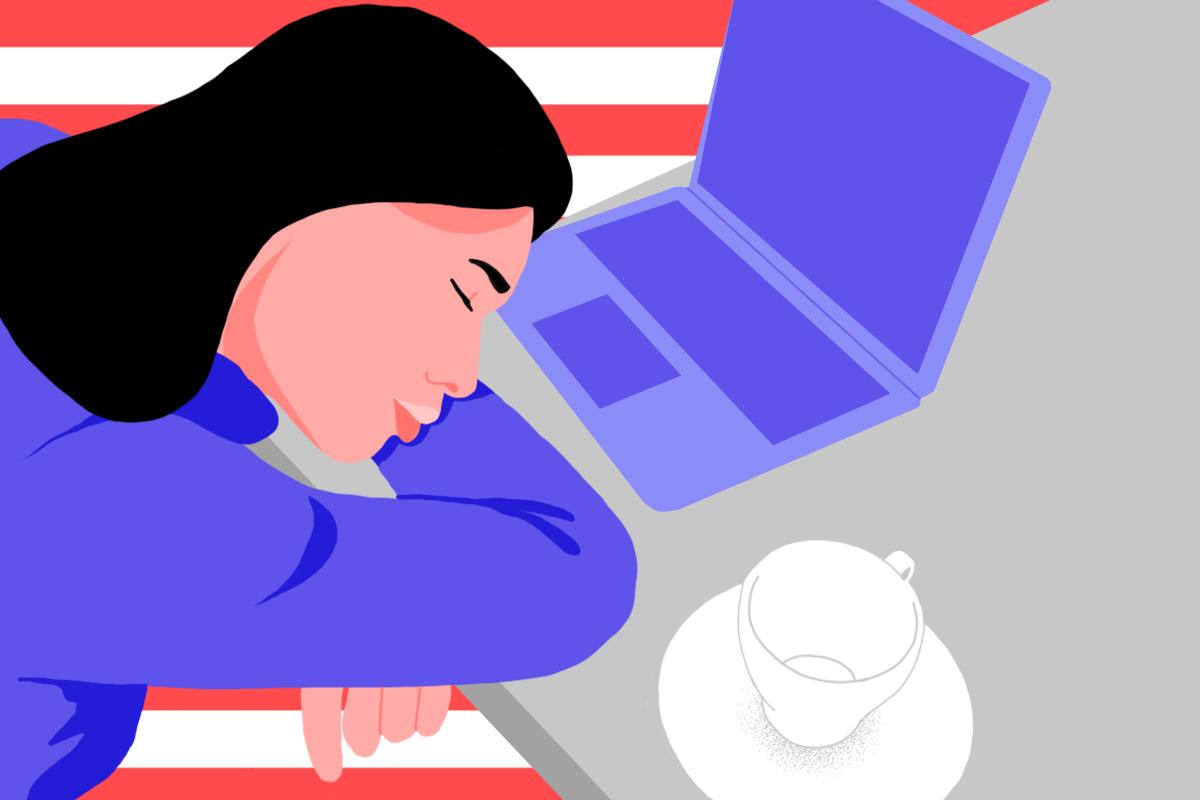
Have you ever drank coffee expecting an energy boost but started yawning instead? We know it's weird (not to mention frustrating), but it's more common than you think. You're not alone, considering 75% of adult Americans drink coffee, and 49% do so daily, according to a study published in The Journal of Nutrition.(1)
This article answers your question: “Why does coffee make me sleepy?” It’ll explain the reasons behind this interesting paradox and debunk some coffee myths, too. It’ll also provide tips on how to sidestep coffee-induced sleepiness.
Let’s get started.
Key Takeaways
-
Coffee makes you feel alert and awake because the caffeine in coffee blocks adenosine receptors and increases adrenaline and cortisol levels.
-
Potential reasons behind coffee-induced sleepiness include the adenosine rebound effect, blood glucose fluctuations, excessive caffeine intake, caffeine sensitivity and sleep deprivation.
Table of Contents
What's in a Cup of Coffee?
First, let’s look at what’s in your cup of joe. The star ingredient is caffeine. (Other popular caffeinated beverages are tea, energy drinks, soft drinks and cocoa.)
Caffeine is a stimulant, which is why it has an energizing effect. It enhances brain and nervous system activity while boosting cortisol and adrenaline levels. It also blocks the sleep-promoting adenosine receptors in the brain. Plus, it triggers the release of dopamine and norepinephrine, which add to the energy boost.
Healthline says an 8-ounce cup of brewed coffee contains about 95 to 200mg of caffeine.(2) Coffee also has antioxidants, B vitamins and minerals like potassium and volatile oils (which are the source of its signature smell).
So, how much caffeine can you have in a day? The FDA recommends a maximum of 400mg daily, roughly 2 to 3 12-ounce cups of coffee.(3)
Why Does Coffee Make Me Sleepy?

Now you know what’s in your coffee. Let’s move on to why it sometimes has the opposite effect instead of revving you up. Several factors contribute to this contradictory and unwelcome reaction.
The Rebound Effect of Adenosine
One culprit behind coffee-induced sleepiness is a phenomenon called the “adenosine rebound effect.”
Adenosine is a neurotransmitter that rises steadily throughout the day, leaving you increasingly tired and slowing your nerve cell activity. Caffeine is similar in structure to adenosine, which is why it can hinder the activation of adenosine receptors. Caffeine works by binding to the adenosine receptors in your brain, blocking the absorption of adenosine.
The adenosine block is temporary. The accumulated adenosine rebounds to the receptors once caffeine starts wearing off. When that happens, you feel a sudden wave of fatigue.
The feeling is heightened if you consume too much coffee. Why? A study published in the National Library of Medicine suggests that regular caffeine intake may increase the density of adenosine receptors.(4) This more significant accumulation of adenosine receptors binds simultaneously when caffeine's energizing effects weaken, leading to more severe energy crashes.
Dehydration Might Also Play a Role
A common misconception is that coffee leads to dehydration. This stems from coffee being a mild diuretic, which may lead to more frequent bathroom trips, resulting in fluid loss.
However, research indicates that moderate coffee consumption won't cause dehydration due to its liquid content, according to a study published in PLoS One.(5) In fact, those who regularly drink coffee may even develop a tolerance to its diuretic effects, which reduces the risk of dehydration.
The symptoms of dehydration are fatigue, dizziness, difficulty focusing and headaches. They could be caused by other factors, such as caffeine withdrawal, sensitivity, or inadequate fluid intake in general.
However, sticking to a maximum caffeine intake of 400mg per day is still a good rule of thumb. Drinking water and other non-caffeinated liquids throughout the day also benefits your overall health.
Potential Blood Sugar Fluctuations From Caffeine Consumption
Another reason coffee might make you feel tired and sleepy is that caffeine indirectly affects your blood sugar. Consuming caffeine might increase your insulin resistance, increasing blood glucose levels, varying from person to person.
Artificial sweeteners and pairing your cup of joe with carb-rich foods like donuts may cause your blood sugar to fluctuate more noticeably. Try eating a balanced meal with your coffee. Go for one laden with proteins, healthy fats, and complex carbs. It’s a winning combination that can keep your blood sugar levels stable and help you stay energized for longer. Also, you may want to consider holding off on any coffee sweetener and opt for milk instead.
Coffee consumption is a consideration for some people with type 2 diabetes. WebMD says studies suggest that caffeine can increase blood sugar and insulin levels.(6) However, it varies from person to person. Regular coffee drinkers will want to hear this: there's a flip side where research indicates that regular coffee intake can reduce the risk of type 2 diabetes, according to a study published in the Current Medicinal Chemistry.(7)
It’s essential to observe how you react to coffee if you have type 2 diabetes. Monitor your blood glucose levels after drinking coffee to know its effects. Consult your doctor on adding coffee to your diet, how much, and the timing in relation to your diabetes management plan.
You Might Be Overdoing Your Caffeine Intake
Too many caffeinated drinks can make you sleepy, but not in the way you might think.
Remember when we talked about caffeine increasing your adenosine receptors? Over time, this can lead you to “need” more caffeine to get the same energizing effect. It’s what we call caffeine tolerance. A study published in the National Library of Medicine found that this tolerance is progressive.(8)
Apart from what we mentioned above, overdoing caffeine can lead to a variety of unpleasant symptoms. These include:
-
Feeling jittery, anxious or restless
-
Inability to fall asleep or experience sleep disruptions
-
Fatigue that persists regardless of drinking coffee regularly
-
Headaches and irritability due to caffeine withdrawal
Think about it. Lack of quality sleep at night makes you sleepy the next day. Consuming too many caffeinated beverages creates a vicious cycle, leaving you sleep-deprived long-term. That, on top of the other adverse effects of overdoing caffeine, makes you feel sleepy, tired and irritable — more coffee isn't going to cut it.
If you suspect you’re overdoing caffeine, take a step back. Start by minimizing your coffee intake gradually. This minimizes caffeine withdrawal symptoms and helps your body readjust.
Here are the caffeine withdrawal symptoms to watch out for:
-
Anxiety
-
Fatigue
-
Feeling low or depressed
-
Hand tremors
-
Low energy
-
Difficulty concentrating
You might also want to reevaluate your lifestyle and make the necessary adjustments. Yes, coffee is a delicious way to perk up your day. However, it shouldn’t be used as a crutch. Think about it. Could your need for coffee stem from poor sleep hygiene?
You Might Have Underlying Sleep Deprivation
If you're not getting enough sleep, no amount of caffeine can make up for your sleep debt.
Your body produces more adenosine to promote sleep when you’re sleep-deprived. Coffee may perk you up, but it doesn’t last. Fatigue may hit harder once caffeine wears off. This can lead to a coffee dependence, a vicious cycle where you rely on coffee drinks to stay awake, but in reality, it makes you even more tired.
Here’s how to break this cycle:
-
Sleep 7 to 9 hours every night.
-
Establish and stick to a consistent sleep schedule to regulate your sleep-wake cycle.
-
Craft a relaxing bedtime routine that signals your brain and body to wind down.
-
Minimize caffeine consumption. Avoid drinking it in the afternoon or evening.
The Sleep Foundation says consuming caffeine also worsens the symptoms of chronic insomnia. If you have this condition, you might want to avoid caffeine altogether.(9)
You Might Be Sensitive to Caffeine
People metabolize caffeine differently due to genetic factors. For instance, smoking can speed up caffeine metabolism, while liver disease can slow it down. If you metabolize caffeine slowly, you might feel its effects for longer and feel more tired and sleepy when it wears off. That's caffeine sensitivity in a nutshell.
Caffeine sensitivity symptoms include:
-
Feeling jittery or anxious after small amounts of coffee
-
Sleep disturbances, even when drinking coffee early in the day
-
Increased heart rate
-
Increased blood pressure
Do you think you’re caffeine-sensitive? If so, consider switching to alternatives like decaffeinated coffee or minimizing your consumption. (Here’s some news: Decaf still contains caffeine but in smaller amounts.). Don't trade coffee in for other caffeinated drinks.
It Might Indicate Underlying Health Conditions
Coffee-induced sleepiness isn’t always caused by caffeine sensitivity or the other reasons mentioned above.
Some underlying health conditions can influence how caffeine affects your energy levels. Some examples are adrenal insufficiency (Addison’s disease), thyroid disorders, metabolic conditions (type 2 diabetes), sleep apnea, anxiety disorders and depression.
Remember that feeling sleepy after drinking coffee isn’t a sure sign of any medical condition. If you always feel tired, talk to your healthcare provider so they can evaluate your lifestyle factors and get to the root of the problem.
How to Prevent Coffee-Induced Sleepiness

Now that you know why coffee might have the opposite effect and make you sleepy, let’s explore some preventive strategies.
Stick to the FDA-recommended limit of 400mg of caffeine per day. If you can consume fewer coffee drinks, the better. Remember that the effects of coffee drinks vary by individual. Determine what your optimal intake is, and don't go above it.
Next, timing is everything. Drink your morning coffee two hours after waking, ideally mid-morning, when cortisol levels start decreasing. You can also have one in the early afternoon, just not too close to bedtime. Otherwise, you won't be able to fall asleep at night. Aim to drink coffee at least 8 hours before bedtime.
We said it earlier, but we'll say it again: pair coffee with a well-balanced meal. Ensure that it includes healthy fats, complex carbs and proteins, which help keep your blood glucose levels stable. Coffee can also cause digestive discomfort when taken on an empty stomach.
Avoid artificial sweeteners. Choose natural ones like honey or stevia but in moderation. Or consider taking your coffee black. Another option is to explore gentler alternatives like matcha and yerba mate.
Another option is to drink decaffeinated coffee, which is usually 97% caffeine-free. Drinking decaf keeps your brain chemistry stable. It effectively prevents you from consuming too much caffeine, which can lead to sleepiness.
Planning to give up coffee altogether? Consider apple cider vinegar (diluted) or golden milk. They may not contain caffeine, but they have other health benefits. Apple cider benefits your blood sugar levels (great for type 2 diabetes), and golden turmeric is known for its anti-inflammatory properties.
You'll also want to determine your ideal brewing method and coffee bean type. For instance, the espresso method typically produces the highest caffeine content, and Racemosta is the coffee bean that contains the least.
Instead of a coffee, why not take a power nap for 20 to 30 minutes? Or, if you want your daily cuppa, consider drinking it and napping immediately after for an extra energy boost. (It's called a coffee nap, by the way.)
Whether you have coffee or not, make sure you have a quality nap, which is difficult if you're at work with tons of distractions. A 100% blackout sleep mask helps.
Pay attention to your sleep hygiene. A decent night's rest can keep you energized and sharp during the day, reducing the need for caffeine to stay alert.
A good night's sleep also clears the buildup of adenosine during the day, giving you a blank slate for caffeine to work with when you wake up the next day. In short, caffeine won't need to compete for your brain’s adenosine receptors, which would otherwise be clogged by a chemical backlog caused by a lack of sleep. You'll be better able to reap the alertness benefits of caffeine.
Conclusion: How to Avoid Caffeine Crashes
Coffee is a delicious energy boost, but some people find that it can make them sleepy. This can be caused by different factors like adenosine rebound, too much caffeine, and your unique caffeine sensitivity.
Maintain a healthy balance by keeping your consumption of coffee (and other caffeinated beverages) moderate. This will help prevent coffee-induced sleepiness.
Make sure to try the strategies in this article.
Frequently Asked Questions About Why Does Coffee Make Me Sleepy?
How Long Does Caffeine Last?
It depends on your caffeine metabolism. You usually feel the peak effect of caffeine within an hour, but it can linger for much longer because of its average 5-hour half-life, taking between 10 and 12 hours for its effect on your sleep to fade. Total clearance can take up to 24 hours. This timeline is influenced by factors like genetics, smoking or underlying health conditions.
Does Drinking Coffee Every Day Reduce Its Effects?
Yes, drinking coffee every day reduces its effects through a phenomenon known as "caffeine tolerance." To compensate for receptors blocked by consistent caffeine intake, your brain creates more adenosine receptors in a process known as "upregulation."
Do I Need More Caffeine Over Time to Feel the Same Effect?
Yes, you need more caffeine over time to feel the same energizing effect. Your brain makes more adenosine receptors as a result of consistent caffeine consumption, known as upregulation. You'll need to take more caffeine to fill the additional receptors because your typical dose can no longer block all the sleep signals.
Does Drinking Coffee When I Am Already Tired Make Things Worse?
Yes, drinking coffee when you're already tired can make things worse by putting you in a wired-but-tired state. The coffee masks your exhaustion without actually removing it. While the caffeine in coffee blocks your adenosine receptors, a backlog of adenosine continues to build in the background. This can lead to a more severe crash or rebound effect once the caffeine wears off. Plus, it can create a cycle where caffeine interferes with the restful sleep you need to recover from fatigue.
How Can I Reset My Caffeine Tolerance?
You can reset your caffeine tolerance by allowing your brain to reduce the number of adenosine receptors. You'll need to abstain from or gradually taper your caffeine intake for 7 to 14 days to allow your brain chemistry to return to its natural baseline. Once the reset is done, a cup of coffee will feel as potent as it did when you first started drinking it.
Sources:
(1) “Coffee Drinking Is Widespread in the United States, but Usual Intake Varies by Key Demographic and Lifestyle Factors.” The Journal of Nutrition, pmc.ncbi.nlm.nih.gov/articles/PMC4997286/. Accessed 28 January 2025.
(2) “How Much Caffeine in a Cup of Coffee? A Detailed Guide.” Healthline, www.healthline.com/nutrition/how-much-caffeine-in-coffee. Accessed 28 January 2025.
(3) “Spilling the Beans: How Much Caffeine is Too Much?” FDA, www.fda.gov/consumers/consumer-updates/spilling-beans-how-much-caffeine-too-much. Accessed 28 January 2025.
(4) “The role of adenosine receptors in the central action of caffeine.” National Library of Medicine, pmc.ncbi.nlm.nih.gov/articles/PMC4373791/. Accessed 28 January 2025.
(5) “No Evidence of Dehydration with Moderate Daily Coffee Intake: A Counterbalanced Cross-Over Study in a Free-Living Population.” PLoS One, pmc.ncbi.nlm.nih.gov/articles/PMC3886980/. Accessed 28 January 2025.
(6) “Diabetes and Caffeine.” WebMD, www.webmd.com/diabetes/diabetes-and-caffeine. Accessed 28 January 2025.
(7) “Coffee: A Dietary Intervention on Type 2 Diabetes?” Current Medicinal Chemistry, pubmed.ncbi.nlm.nih.gov/27697076/. Accessed 28 January 2025.
(8) “Time course of tolerance to the performance benefits of caffeine.” PLoS One, pmc.ncbi.nlm.nih.gov/articles/PMC6343867/. Accessed 28 January 2025.
(9) “Caffeine and Sleep.” Sleep Foundation, www.sleepfoundation.org/nutrition/caffeine-and-sleep. Accessed 28 January 2025.
Disclaimer: The information contained in this website or provided through our blog, e-mails, or programs is for informational purposes only. It is not intended to be a substitute for medical advice, diagnosis or treatment that can be provided by your healthcare professionals.